WHYALLA 2026: WHERE ARE THE GIANT CUTTLEFISH?
THE WHYALLA AGGREGATION
Every winter, tens of thousands of Giant Australian Cuttlefish gather along a single stretch of coastline in Whyalla, South Australia, the only known aggregation site of its kind on Earth. In the space of a single dive, you can witness colour changing, camouflage, fights and mimicry, a spectacle so extraordinary it has drawn nature documentary crews, wildlife photographers and tourists from around the world for decades. This winter, something is different.
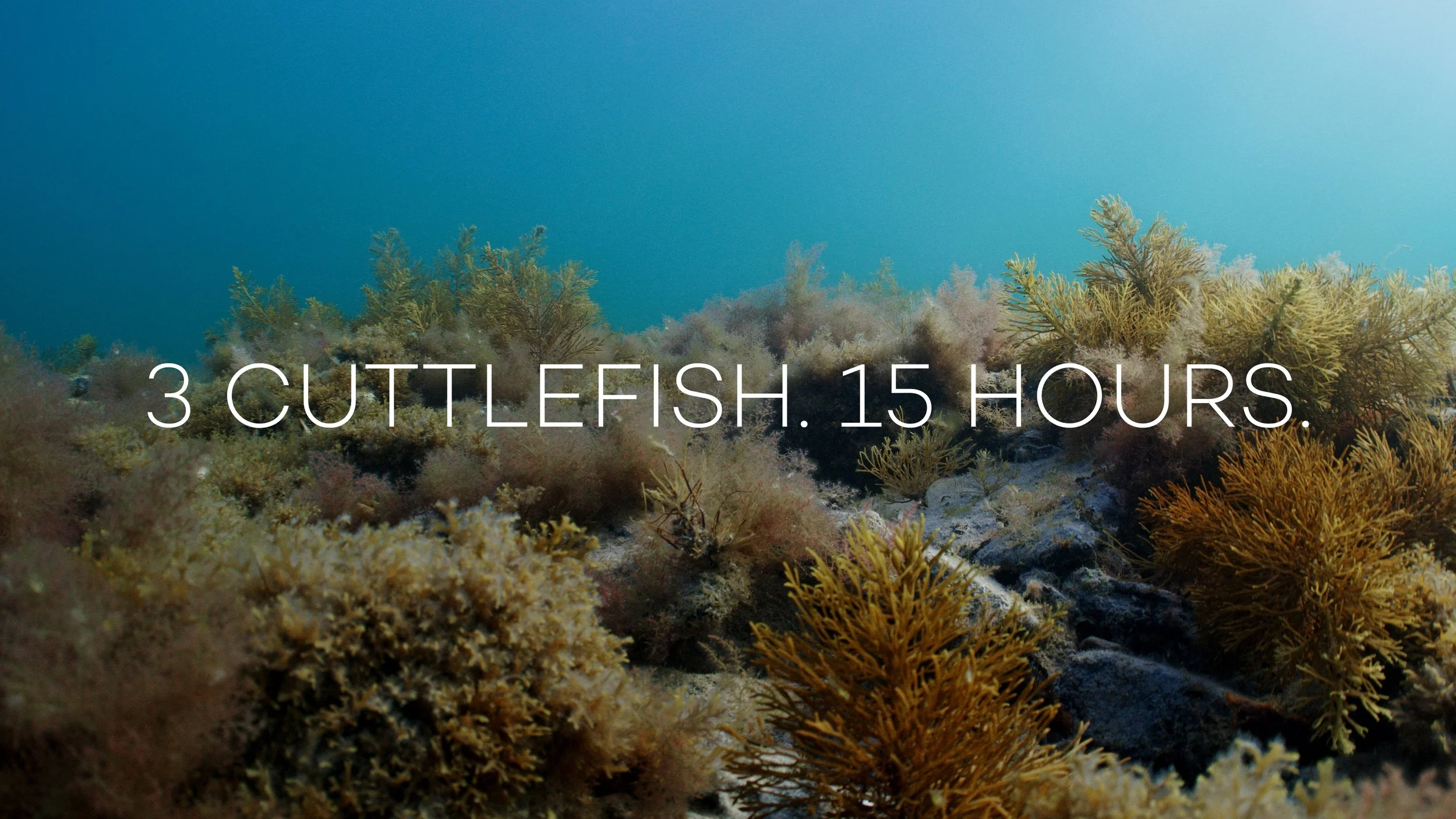
Watch footage from this week's dives at Whyalla, filmed during the 2026 giant cuttlefish season.
WHAT HAPPENED TO THE CUTTLEFISH
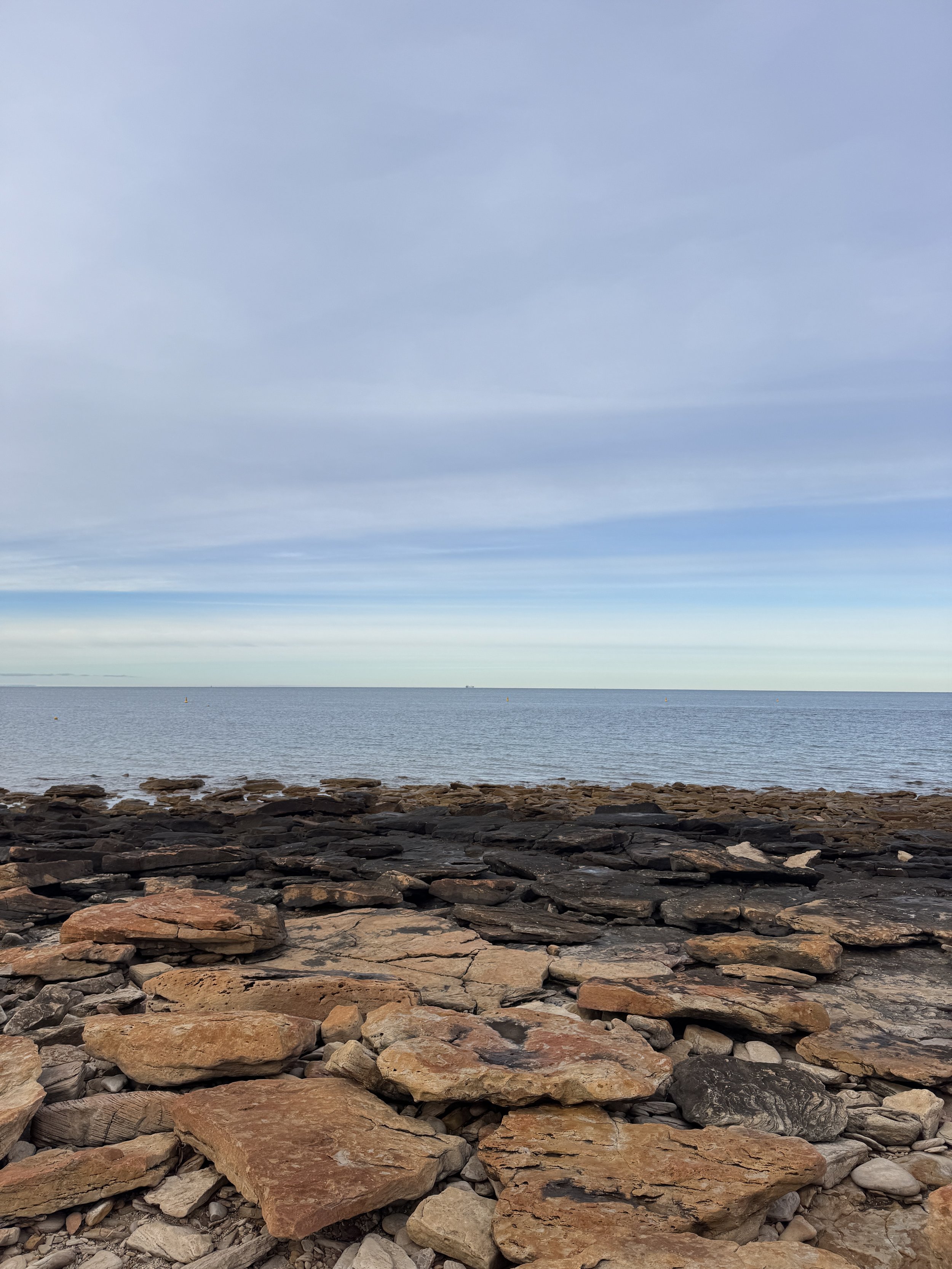
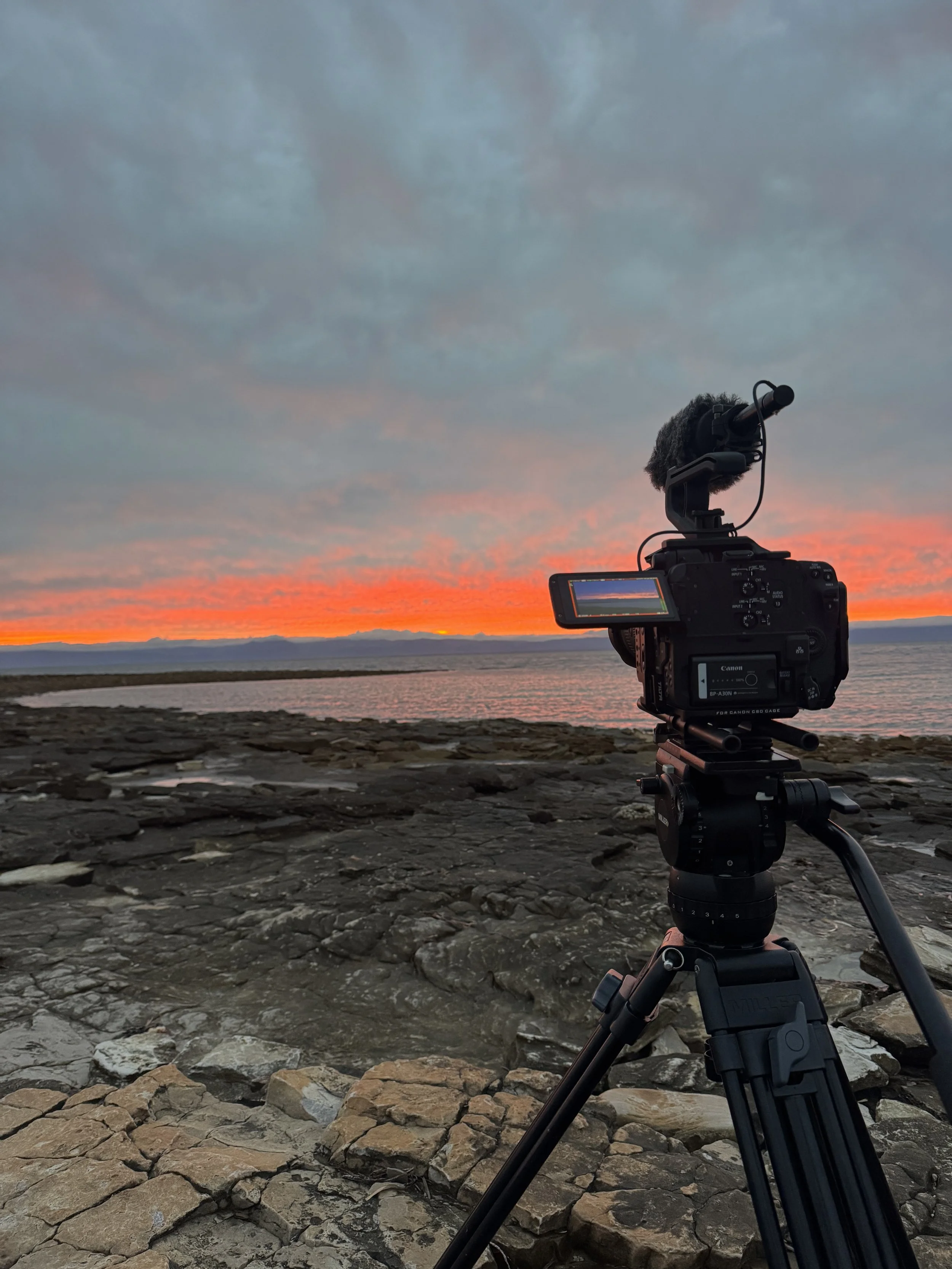
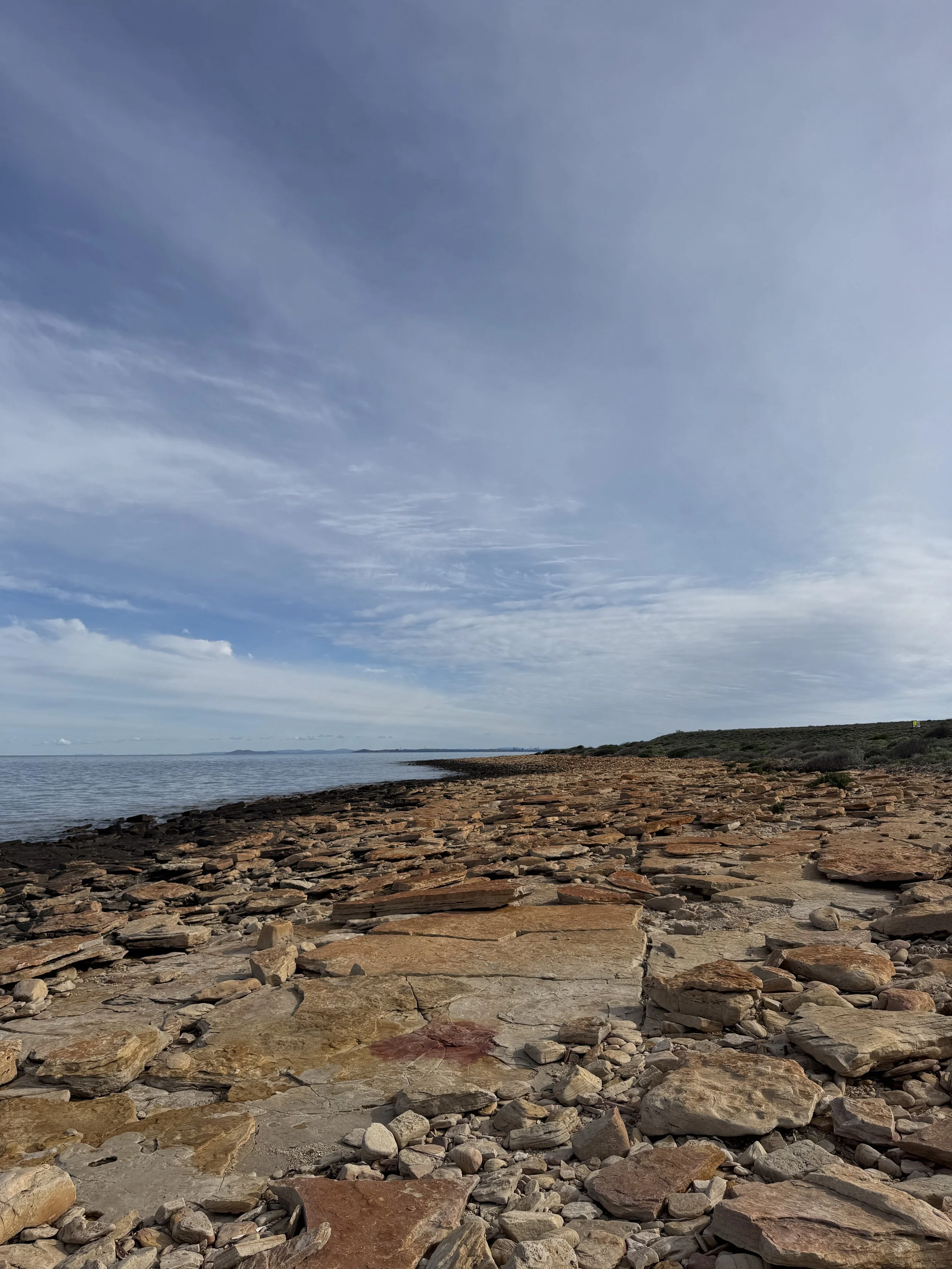
The 2025 South Australian harmful algal bloom was one of the largest ever recorded in the state's waters, reaching deep into Spencer Gulf and affecting marine life across the region. The bloom devastated local ecosystems and impacted the fishing, tourism and dive industries that depend on this coastline, oyster farmers, charter operators, commercial fishers and dive businesses have all felt the cost. Scientists are still assessing the full impact on the giant cuttlefish population. SARDI should be releasing their population data soon. I'll update this post when it lands.
WHY THIS MATTERS
The Giant Australian Cuttlefish aggregation at Whyalla is not just a tourist attraction or a filmmaker's location. It is a unique biological event found nowhere else on Earth at this scale. Losing it, even temporarily, would represent an irreplaceable loss for marine biodiversity, for the local community, and for everyone who has ever slipped beneath the surface here and watched the ocean perform. There's a word for what it feels like to witness a place you love changing beyond recognition, solastalgia. The empty water itself isn't confronting. It's the realisation of what it means, that an aggregation which has drawn filmmakers, scientists and tourists to this coastline for decades could simply cease to exist.
It's hard to imagine this special event could be gone.
WHAT CAN YOU DO
If you want to follow the story as it develops:
Watch the footage from this week's dives above.
See what a good season looks like in Love and Light, filmed at the same location
Follow SARDI and DEW for the latest population data.
Unfortunately, part of being a nature-based cinematographer is witnessing and documenting change. This was one of the most difficult projects I've worked on. I know what once filled these reefs. Seeing them empty is something I'm still trying to comprehend.
